
When a severe storm hits or the grid goes down unexpectedly, reliable backup power isn’t just a luxury—it’s a necessity for keeping your family safe, your food cold, and your home functioning. But when it comes to investing in emergency power, you’ll quickly face the biggest decision in the market: Should you buy a portable generator or a whole-home standby generator?
Both options deliver crucial backup power, but they differ significantly significantly in cost, installation, convenience, and power output.
Here is the complete REDGLLC guide to understanding the differences, pros, and cons of portable vs. standby generators so you can make the right investment for your property.
What is a Standby Generator?
A standby generator (often called a whole-house generator) is a permanent fixture installed outside your home, much like a central air conditioning unit. It is wired directly into your home’s electrical panel via an automatic transfer switch (ATS) and connects directly to your home’s natural gas or liquid propane (LP) supply.
How it Works: The defining feature of a standby generator is automation. The second your home loses power, the ATS detects the outage, starts the generator, and restores electricity to your entire house—usually within 10 to 30 seconds. You don’t have to lift a finger, run extension cords, or refuel.
Pros of Standby Generators
- Completely Hands-Free: Automatic startup means your home is protected even if you are out of town or at work.
- Massive Power Output: Typically ranging from 10,000 to 24,000+ watts, they can power your entire home seamlessly, including heavy-draw appliances like central AC and electric ranges.
- Unlimited Fuel Supply: Because they run on your municipal natural gas line or a massive underground propane tank, you never have to refuel them during an extended blackout.
Cons of Standby Generators
- High Upfront Cost: They are a major investment, often ranging from $4,000 to $10,000+ depending on the size.
- Expensive, Complex Installation: You cannot install a standby generator yourself. It requires pouring a concrete pad, hiring licensed electricians, and obtaining local permits. Installation often doubles the cost of the unit itself.
- Immobile: Once installed, it stays with the house. If you move, the generator stays behind.
What is a Portable Generator?
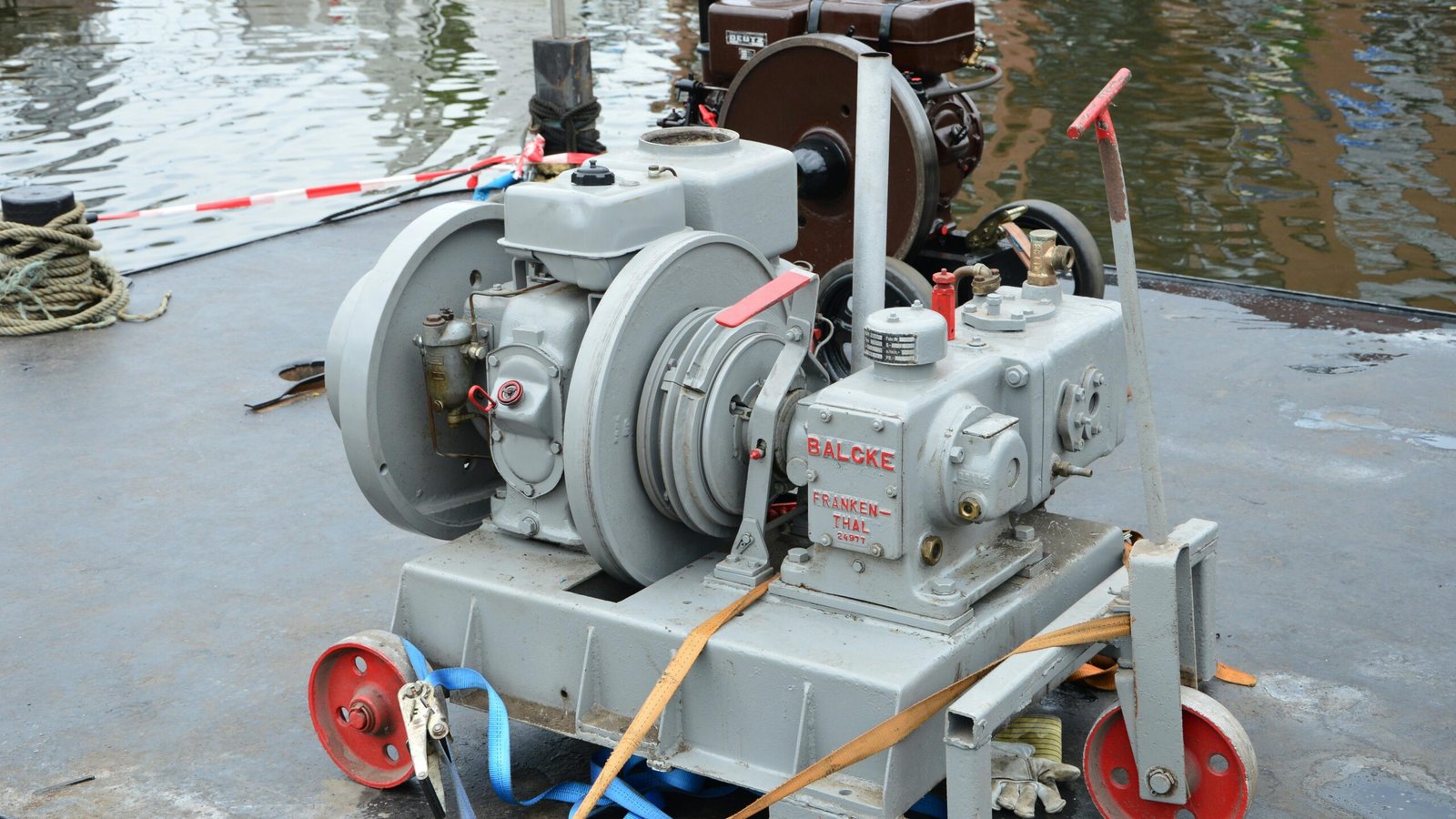
A portable generator is exactly what it sounds like: a mobile unit powered by gasoline, liquid propane, or sometimes both (Dual Fuel). These range from small 2,000-watt inverter generators for camping up to massive, heavy-duty 15,000-watt units capable of powering essential home circuits.
How it Works: When the power goes out, you must roll the generator outside (never run it in a garage!), start it manually or with an electric push-button, and plug your appliances directly into the unit using heavy-duty extension cords. Alternatively, you can have an electrician install a manual transfer switch, allowing you to plug the portable generator directly into your home’s breaker panel.
Pros of Portable Generators
- Cost-Effective Power: You can secure serious backup power for a fraction of the cost of a standby unit. Heavy-duty models like the Champion 15,000W or the versatile DuroMax XP5500EH Dual Fuel offer incredible value for the wattage.
- Zero Installation Required: Buy it today, use it tonight. There are no permits, concrete pads, or mandatory electrician fees required to start using a portable generator.
- Ultimate Versatility: Because they are mobile, you can use them for home backup, take them to a remote job site, load them into your RV, or power an off-grid cabin.
- Fuel Flexibility: Modern Dual Fuel portable generators allow you to switch seamlessly between gasoline and liquid propane, giving you options if gas stations are closed during a crisis.
Cons of Portable Generators
- Manual Operation: You must be physically present to roll it out, start it up, and manage the fuel levels.
- Fuel Storage: You need to safely store gasoline or propane tanks on your property, and gasoline degrades over time if not treated with stabilizers.
- Weather Exposure: Because you have to set them up outside during an outage, you’ll likely be dealing with rain, snow, or high winds when trying to get your power running.
The Verdict: Which Generator Should You Choose?
The decision ultimately comes down to your budget, your physical capabilities, and exactly what you need to power.
Choose a Standby Generator if:
- You experience frequent, long-lasting power outages in your area.
- You travel often and need to ensure your home (sump pumps, refrigerators, security systems) stays powered while you are away.
- You have a higher budget and want a completely seamless, hands-off solution.
Choose a Portable Generator if:
- You want a highly cost-effective emergency backup solution without the massive installation fees.
- You only experience occasional outages and just need to power the essentials (fridge, lights, well pump, space heaters).
- You want a unit that works double-duty—powering your home during a storm, and powering your tools or RV the rest of the year.
Ready to Secure Your Power Supply?
Don’t wait until the next storm is in the forecast. At REDGLLC, we supply homeowners and professionals with commercial-grade portable and dual-fuel generators built for uncompromising reliability.
Explore our heavy-duty today to find the perfect power solution for your home and budget.